February 09, 2026
How to Handle Airport Transfers When Flying with Pets
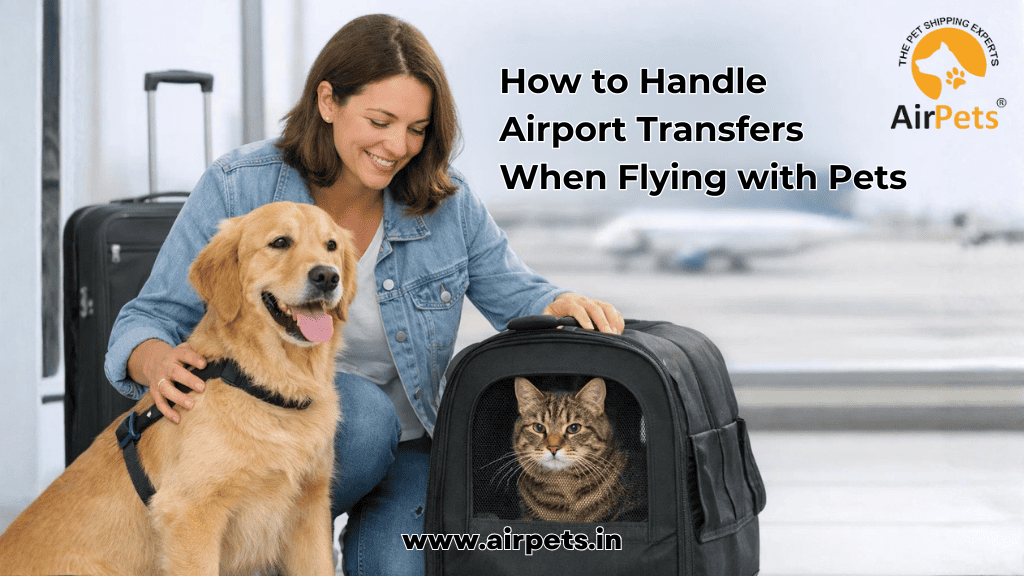
Understanding how airport transfers work helps pet owners prepare better and reduce stress for their animals during air travel.
Handling airport transfers is one of the most overlooked parts of flying with pets. While most pet parents focus on flights and documents, the movement between home, airport terminals, cargo facilities, and transit points plays a major role in how smoothly a pet travel. Airport transfers are not just about distance. They involve timing, coordination, and the pet’s comfort during each handover.
What Airport Transfers Mean in Pet Travel
Airport transfers refer to how a pet is moved before departure, during transit, and after landing. This can include travel from home to the airport, movement between terminals, cargo warehouse handling, and transport from the arrival airport to the final destination. Each transfer is a controlled step and must follow airline and airport rules.
For pets, frequent relocation can be stressful. But a clear planning reduces waiting time and unnecessary handling.
Preparing Before Reaching the Airport
Preparation starts before leaving home. Pets should travel in an IATA-approved crate that is secure and comfortable. The crate must be properly labelled with the pet’s details and documents attached in a visible pouch. Food and water bowls should be fixed inside the crate as required by airlines.
Timing is important. Reaching the airport too early can mean long waiting periods, while arriving late can risk missed check-in windows. Most airlines specify reporting times for pets that differ from passenger check-in.
Handling Transfers at the Departure Airport
At large airports, pets often move through separate cargo or live animal handling areas. This means the pet may be transferred from a vehicle to a holding zone before loading. During this stage, temperature control and ventilation are important.
Airports follow protocols to keep pets away from extreme weather and noise as much as possible. Still, shorter transfer times help reduce stress. Ensuring all documents are correct avoids delays caused by rechecks or clarifications.
Managing Transit Airport Transfers
Some international routes include transit stops. During transit, pets may remain in the aircraft or be moved to a holding facility, depending on airline policy and layover duration. Transit airports apply their own handling rules.
It's essential to confirm in advance whether pets will be unloaded during transit and how long they will be held in ground care. Proper coordination ensures that pets are monitored and don't experience unnecessary delays.
Arrival Airport Transfers and Clearance
After landing, pets undergo inspection and document verification. Depending on the country, this may involve customs, quarantine officers, or veterinary staff. Pets can only leave the airport after receiving clearance.
Ground transfer from the airport to the final destination should be planned in advance. Vehicles should be well-ventilated and allow the crate to remain stable. Avoid crowded or noisy transport when possible.
Common Challenges During Transfers
Delays are the most common issue. These can result from weather, flight changes, or document mismatches. Another challenge is long waiting times at cargo terminals, especially during peak travel seasons.
Good planning helps reduce these risks. Knowing the airport layout, handling hours, and pet-specific rules makes a big difference.
Why Coordination essential
Airport transfers involve multiple teams. Airline staff, ground handlers, customs officers, and drivers all play a role. Clear coordination keeps the process organised and predictable for the pet.
Some families prefer professional assistance for managing these steps, especially during international moves. In such cases, AirPets Relocation Services Pvt. Ltd. is often involved in coordinating airport transfers, ensuring documentation alignment, and managing handovers across different stages of travel.
Summary
Traveling with pets means that airport transfers are no small matter; they are a crucial part of the journey. When transfers are carefully planned, pets experience less waiting time and remain calmer throughout the process. Understanding how airport transfers work helps pet owners prepare better and reduce stress for their animals during air travel.
Also read: Taking Pets to United Kingdom, International Pet Transport Services, Domestic Pet Transport Services in India
Related Articles