August 30, 2025
Navigating Pet-Friendly Flights in India

Traveling with your pet in India is not a logistical hurdle; it is a planned mission. With the proper preparation, a suitable carrier, and an understanding of airline policies, your pet can be secure and comfortable from departure to arrival.
Traveling with your pet in India is not a logistical hurdle; it is a planned mission. With the proper preparation, a suitable carrier, and an understanding of airline policies, your pet can be secure and comfortable from departure to arrival. This guide provides a clear overview of the process, detailing what you must consider, how to select a flight, and the essential steps to prepare your pet for travel.
How Pets Travel on Indian Flights
Airlines in India primarily allow pets to travel in one of three ways. Smaller pets that meet specific weight and size requirements may be approved for in-cabin travel inside a soft-sided animal carrier. For most domestic travel, pets are checked in as baggage and travel in the hold alongside their owner. The final option, used for larger breeds or unaccompanied animals, is to transport the pet as cargo on an air waybill.
Each airline maintains its own set of regulations on pet acceptance. These policies include the maximum number of animals per flight, specific crate dimensions, age restrictions, and required documentation. Since these rules can change without notice, you must verify them directly with your airline before booking and reconfirm at least 48 hours before your flight.
Airline Options and Pet Travel Trends in India
Choosing the right airline is crucial. Carriers like Air India stand out for their comprehensive pet policies. In 2024, Air India transported over 7,000 pets, a notable 33.7% increase from the previous year. Approximately 80% of these were domestic journeys, with the remaining 20% being international relocations. The airline permits pets up to 7 kg, including their carrier, in the cabin, while heavier animals travel in the cargo hold.
Other carriers have their own distinct policies. Akasa Air, for instance, allows one small pet per passenger, with a weight limit of 10 kg for in-cabin travel, and supports both in-cabin and cargo options on select routes. SpiceJet handles pet transport through its dedicated cargo arm, SpiceXpress. It is important to note that IndiGo, Vistara, and AirAsia currently restrict travel to service animals, such as guide dogs, and do not accept family pets.
The increasing demand for pet travel—evidenced by the 33.7% year-on-year growth at Air India—underscores the importance of early planning. Familiarizing yourself with each airline's specific policies on weight, carrier type, and documentation helps you avoid any unexpected issues at the airport, giving you a sense of control over your pet's journey.
The Best Route and Airline to Choose
Select a route that minimizes travel and handling time for your pet. Non-stop or single-stop itineraries are ideal. If possible, book flights during cooler daylight hours to mitigate heat-related stress. Favor airlines that publish clear pet policies and permit you to pre-confirm pet space on your specific flight. Furthermore, verify they follow IATA-compliant pet handling procedures for animals in the hold.
For international travel, you must cross-reference the departure airline's pet policy with the entry requirements of your destination country. An otherwise flawless flight plan can fail if your pet's documents do not align with the destination country's rules regarding microchips, vaccines, or permits.
In-Cabin vs. Hold: A Matter of Safety
Both in-cabin and hold travel are safe options when executed correctly. In-cabin travel is an excellent choice for smaller, calm pets that are comfortable in a carrier. The cabin offers a stable temperature and allows you to monitor your pet directly, providing a sense of reassurance and confidence in your pet's safety.
The hold, which is pressurized and temperature-controlled, is standard for medium to large dogs worldwide. It is suitable for pets traveling in a rigid, IATA-approved crate. The best choice ultimately depends on your pet's size, temperament, breed, and the length of your journey.
The Crate: Your Pet's Mobile Sanctuary
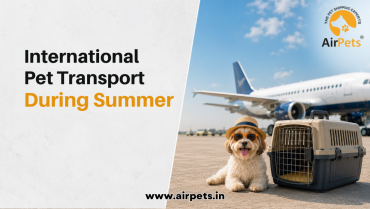
A crate is not simply a container; it is your pet's secure, mobile living space. Select a hard-shell, IATA-compliant crate that provides enough room for your pet to stand, turn, and lie down naturally. Ensure the crate has a secure metal door, is well-ventilated on all sides, and features a leak-proof base. A water container must be attached to the door, and a clear "Live Animals" label with your contact details must be visible.
Begin crate training two to four weeks before your flight. Encourage your pet to eat inside, place a familiar blanket inside, and practice short sessions with the door shut. This process ensures the crate feels safe and familiar rather than a source of anxiety.
Documents You Will Likely Need
Your journey begins long before you arrive at the airport, with the necessary documentation in place. For international travel, an ISO-standard microchip is mandatory. Your pet's vaccination records must be up to date, particularly for rabies, and you must adhere to the specific timing rules of your destination country. A "fit-to-fly" health certificate from a licensed veterinarian is also required, usually within 24 to 72 hours of departure for domestic flights, though international timelines vary. Lastly, be prepared with any required import or export permits.
Regulations are route-dependent. To avoid complications, it's always best to align your documents with the stricter set of rules—whether from the airline or the destination country.
The Impact of Heat, Humidity, and Season
India's hot summer months present a significant challenge for animal transport, particularly for brachycephalic (short-snouted) breeds. Plan for early morning or late-evening departures and avoid extended layovers to facilitate hydration and comfort. Many airlines have temperature thresholds for accepting pets, so your travel window may be restricted by the season.
Essential Booking Strategies to Save You Headaches
Book your pet's space well in advance of the travel cutoff, as airlines limit the number of animals per flight. Request a quiet seat on the aircraft, preferably near the front aisle, to minimize taxi time and reduce the stress of a crowded boarding process. On the day of travel, start early to allow ample time for security and document inspections. Always carry a duplicate set of health papers, extra zip ties for the crate, and an additional collar ID.
For a calm departure, provide your dog with a light meal six to eight hours before the flight and ensure they have access to water until check-in. Never use sedatives unless specifically prescribed by a veterinarian, as they can disrupt a pet's balance and breathing during handling and transport.
Understanding the cost of pet travel is a crucial aspect of planning. It helps you set a realistic budget and avoid any financial surprises during your journey.
The price of pet relocation is determined by the pet's size and weight, the crate dimensions, and the route. International moves often include additional fees for permits, endorsements, and sometimes quarantine or customs clearance. A well-planned and straightforward journey typically helps manage and lower costs.
Common Errors to Avoid
Avoid these common mistakes to ensure a seamless process:
- Failing to confirm your pet's personal quota with the airline.
- Using a crate that is too small or does not comply with regulations.
- Miscalculating vaccination timing windows for international travel.
- Overfeeding your pet close to departure time.
- Relying on outdated policy documents instead of checking directly with the airline.
Anxiety and Comfort Management
A familiar scent from a worn blanket or T-shirt can provide comfort during travel. Your pet will mirror your energy, so make sure your goodbyes and hellos are calm and reassuring. A pre-flight walk or play session helps expend nervous energy. Upon arrival, create a quiet, comfortable space with water, bedding, and minimal stimulation before gradually reintroducing your pet to their new environment.
FAQs on Pet-Friendly Flights in India
- Can my pet fly in the cabin within India?
Some airlines allow small pets in-cabin if carrier size and weight limits are met. Availability is limited—reserve early. - Is the aircraft hold safe for pets?
Yes. Pets travel in a pressurized, temperature-controlled hold when accepted as baggage or cargo, using IATA-compliant crates and airline handling procedures. - Should I sedate my pet for the flight?
Generally no. Sedation can affect breathing and balance during handling. Use only if your vet prescribes it and the airline allows it. - How early should I start preparing for an international trip?
Begin 8–12 weeks ahead for simple destinations; 3–6 months if titre tests or import permits are required. - What if my pet is a brachycephalic breed?
Some airlines restrict short-snout breeds in the hold. Plan cooler departures, consider in-cabin where permitted, and consult your vet and airline.
Summary
A well-executed pet relocation plan hinges on meticulous attention to detail. Every element—from crate preparation and document deadlines to airline choice and seasonal planning—contributes to your pet's safety and well-being. By following a structured approach, you can ensure a peaceful and predictable travel experience for the entire family.
Also read: Pet Travel Agency in Delhi India, Gulf Airlines Pet Policy, Turkish Airlines Pet Travel Policy
Related Articles